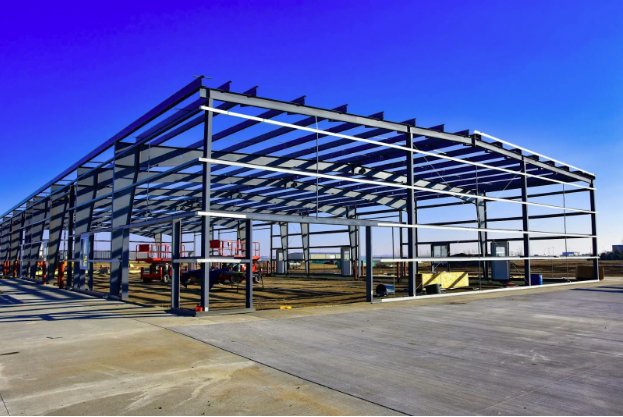
Modern agriculture is changing quickly, and farmers are always looking for better ways to improve efficiency, protect their investments, and reduce long-term costs. One solution that has gained strong attention in recent years is the use of metal buildings. These structures offer practical benefits that support daily farm activities while also preparing agricultural operations for future growth. From storage to livestock housing, metal buildings provide flexibility, durability, and value that traditional structures often struggle to match.
The Role of Metal Buildings in Modern Agriculture
Agricultural operations require strong and reliable structures that can handle demanding environments. Metal buildings are designed to perform well under heavy use, harsh weather, and changing seasonal needs. They can be used for equipment storage, grain storage, workshops, animal shelters, and even processing areas. Because metal buildings can be customized in size and layout, they easily adapt to different farming requirements, whether for small family farms or large commercial operations.
Durability That Protects Your Investment
One of the biggest advantages of metal buildings is their long-lasting strength. Agricultural environments expose structures to moisture, wind, heavy loads, and sometimes chemicals. Metal buildings are resistant to rot, mold, and pests, which are common problems with wood structures. This durability helps protect valuable equipment, crops, and livestock while reducing the need for frequent repairs. Over time, this strength translates into fewer disruptions and lower maintenance costs for farmers.
Cost-Effective Construction and Maintenance
Managing costs is critical in agriculture, and metal buildings offer financial advantages from the start. The materials used in metal buildings are often prefabricated, which allows for faster construction and reduced labor expenses. This means operations can become functional sooner without long delays. In addition, metal buildings require less maintenance compared to traditional structures. Their resistance to fire, insects, and weather damage helps keep ongoing expenses under control, making them a smart long-term investment.
Flexible Design for Changing Farm Needs
Agricultural operations are rarely static, and farmers often need to adjust their facilities as production grows or changes. Metal buildings offer excellent design flexibility, allowing easy expansion or modification. Walls, doors, and interior layouts can be adapted to meet new requirements without major structural changes. This flexibility supports growth and innovation while avoiding the cost of building entirely new structures.
Improved Protection for Equipment and Livestock
Farm equipment represents a significant investment, and proper storage is essential for extending its lifespan. Metal buildings provide secure, weather-resistant spaces that shield machinery from sun, rain, and snow. For livestock, metal buildings can be designed with proper ventilation, insulation, and temperature control. This creates a healthier environment for animals, which can improve productivity and reduce stress-related issues.
Energy Efficiency and Sustainability Benefits
Sustainability is becoming increasingly important in agriculture, and metal buildings support environmentally responsible practices. Many metal buildings are designed to be energy efficient, with insulation options that help regulate indoor temperatures. This reduces energy use for heating and cooling. Metal materials are also recyclable, making metal buildings an eco-friendly choice that aligns with long-term sustainability goals.
Conclusion
Metal buildings have become a powerful tool for transforming agricultural operations. Their durability, cost efficiency, and flexible design make them well-suited to the demanding needs of modern farming. By providing reliable protection for equipment, livestock, and crops, metal buildings help farmers operate more efficiently and confidently. As agriculture continues to evolve, investing in metal buildings can support productivity, sustainability, and long-term success for farming operations of all sizes.