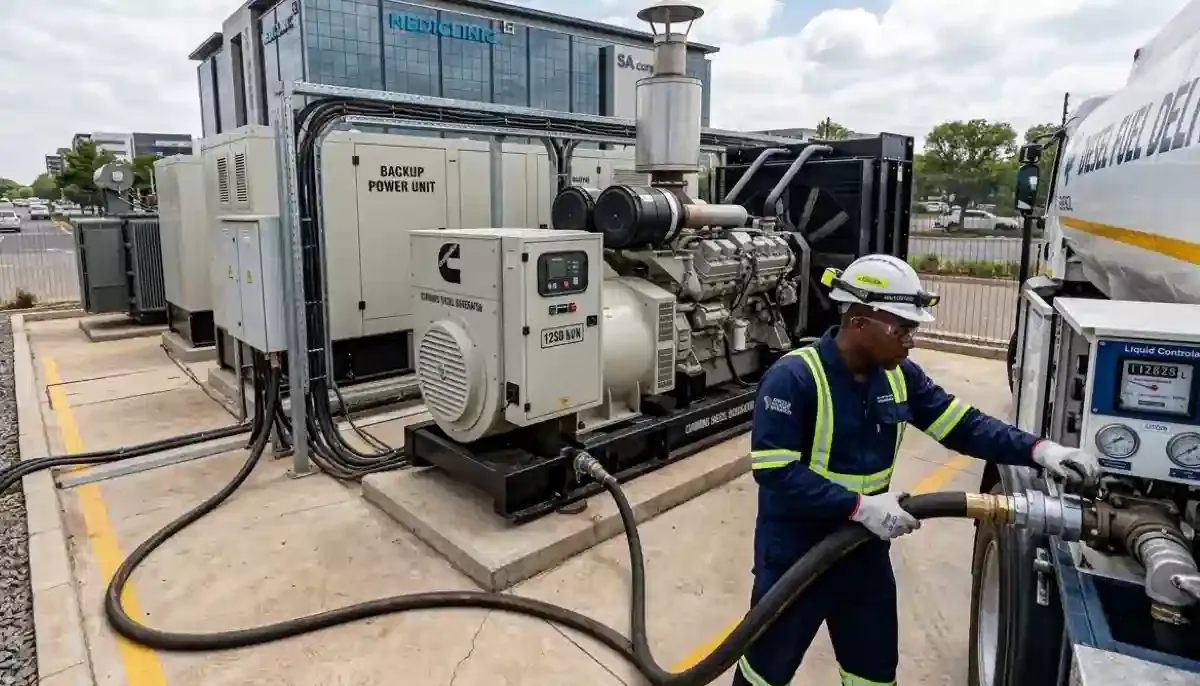
Backup power systems are a critical component of facility resilience, and the fuel supply that sustains those systems during an extended outage is as important as the generator itself. Day tanks play a specific and essential role in this supply chain. Understanding their function, design requirements, and maintenance needs helps facility managers specify and operate backup fuel systems that actually deliver when they are needed most.
What a Day Tank Is and the Problem It Solves
A day tank is a smaller fuel storage vessel positioned in close proximity to a generator and serving as the generator’s primary fuel source during operation. It receives fuel from a larger bulk storage tank through a transfer pump that activates automatically to maintain the day tank level within set parameters. The name derives from the concept of holding a day’s worth of fuel supply, though modern systems are sized based on the specific generator’s consumption rate and the desired runtime between bulk tank replenishments.
How Day Tanks Fit into the Complete Emergency Fuel System Architecture
A well-designed emergency fuel system involves multiple components working in coordination. The bulk storage tank holds the total fuel reserve required for the building’s emergency runtime. The transfer system moves fuel from bulk storage to the day tank as needed. The day tank provides a buffer that isolates the generator from the potential pressure variations and particulates that direct connection to a large bulk tank can introduce. This architecture improves generator reliability and fuel system safety simultaneously.
Sizing and Specification Considerations That Determine System Performance
Day tank sizing must be matched to the generator’s fuel consumption rate, the desired runtime between automatic refills, and the physical constraints of the mechanical room where the tank will be installed. NFPA 110 and local fire codes impose requirements on tank size, construction standards, secondary containment, and the materials used for tank and piping construction within occupied buildings. Correctly specifying these parameters requires knowledge of both the generator’s operating characteristics and the applicable regulatory requirements at the installation location.
Maintenance Practices That Ensure Reliable Long-Term Performance
Day tank systems require periodic maintenance to ensure they perform correctly when called upon. Fuel quality monitoring addresses the degradation of stored diesel that occurs over time, particularly the growth of microbial contamination that blocks filters and fuel lines. Level sensor calibration ensures accurate fill control. Float valve and transfer pump testing confirms the automatic fill system activates and deactivates correctly. Secondary containment integrity inspection verifies that any leaks are captured before they create environmental or safety incidents.
Choosing the Right Day Tank Configuration for Your Application
Day tank configurations range from simple gravity-fed systems for installations where the tank can be elevated above the generator to pressurized systems with sophisticated level controls for complex multi-generator facilities. The selection of appropriate tank construction materials, secondary containment configuration, and monitoring system integration depends on facility-specific factors including occupancy classification, fire suppression system compatibility, and the technical requirements of the generators being served. Working with experienced fuel system designers ensures these factors are correctly addressed in the specification.
Conclusion
Day tanks are a compact but critical component of any backup fuel system designed for reliable extended operation. Their correct specification, professional installation, and consistent maintenance determine whether the emergency power system they serve can sustain operations through the outages it was designed to handle. For facility managers responsible for emergency power systems, understanding the day tank’s role and ensuring it is properly maintained is an important element of comprehensive facility resilience planning.