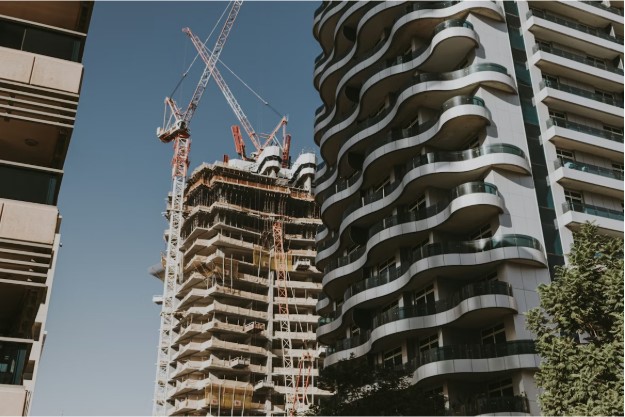
In the rapidly evolving field of structural engineering, innovations such as 3D modelling and Building Information Modelling (BIM) have transformed the way projects are designed, executed, and managed. These technologies not only enhance the efficiency of design processes but also improve collaboration among stakeholders. Understanding how these innovations function within structural engineering can provide significant advantages in project delivery and outcome.
1. The Rise of 3D Modelling in Structural Engineering
3D modelling has become a foundational tool in structural engineering, allowing engineers and architects to visualize and manipulate designs in a three-dimensional space. This technology enables professionals to create intricate models that can showcase every detail of a structure from various angles.
With 3D modelling, potential issues can be identified and addressed early in the design phase, minimizing costly changes later on. As a result, this approach increases efficiency and ensures that the structural integrity of the design meets required standards before construction begins.
2. Enhancing Collaboration Through BIM
Building Information Modelling (BIM) represents a groundbreaking evolution in structural engineering. Unlike traditional 2D designs, BIM integrates multiple aspects of a building project into a single digital model.
It allows various stakeholders—designers, engineers, contractors, and clients—to collaborate in real-time, providing a shared understanding of the project’s objectives. This collaboration minimizes miscommunication, reduces errors, and streamlines workflows.
3. Improved Project Management and Planning
Innovations in structural engineering through BIM and 3D modelling have also significantly improved project management. These technologies offer project managers insights into timelines, resource allocation, and potential bottlenecks in the construction process.
With a dynamic and interactive model, project teams can visualize the entire construction lifecycle, from initial concept through to completion.
4. Cost-Efficiency and Waste Reduction
In the realm of structural engineering, 3D modelling and BIM contribute greatly to cost efficiency and waste reduction. By simulating construction processes and workflows in a virtual environment, project teams can optimize resource use, reducing unnecessary expenditures.
Further, real-time data analysis can identify potential conflicts or discrepancies before they become substantial issues. This proactive approach alleviates the chances of material waste and helps to ensure that projects are delivered on time and at a lower cost, benefiting both clients and contractors.
5. Future Trends in Structural Engineering Innovations
As technology continues to advance, the future of structural engineering will undoubtedly see even more innovative applications of 3D modelling and BIM. Emerging technologies like artificial intelligence and machine learning will enhance these existing tools and provide predictive analytics that could revolutionize project planning and design.
Additionally, developments in augmented reality (AR) could allow engineers to visualize a project at the construction site, further bridging the gap between design and reality.
Conclusion
In conclusion, innovations in structural engineering, particularly through 3D modelling and BIM, are reshaping the construction landscape. These technologies facilitate collaborative efforts, enhance project management, and boost cost efficiency while significantly reducing waste.
As the industry continues to integrate these advanced tools, the potential for improved safety, sustainability, and creativity in structural design will only increase, making this an exciting time for professionals in the field. Embracing these innovations not only benefits individual projects but also signifies a pivotal shift in how structural engineering is practiced around the world.