Maintaining a high level of productivity in a modern industrial setting requires a meticulous focus on equipment reliability, workflow optimization, and the integration of advanced technology.
When an industrial facility operates smoothly, it minimizes downtime, reduces waste, and ensures that production deadlines are met consistently.
Achieving this level of operational excellence involves more than just reacting to mechanical failures; it requires a proactive strategy that addresses every aspect of the manufacturing process.
By investing in precision tools and automated logistics, business leaders can create a resilient infrastructure that adapts to market demands while maintaining the highest standards of safety and quality control.
Achieving Precision and Speed with a Laser Cutting Service
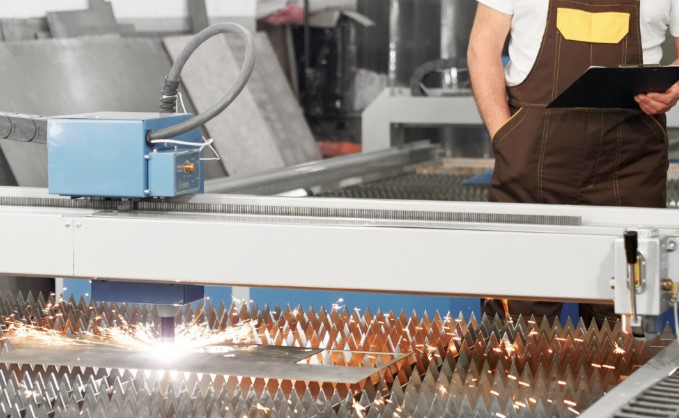
In the fabrication sector, the ability to produce complex components with extreme accuracy is vital for maintaining a competitive edge. Utilizing a professional laser cutting service allows manufacturers to achieve intricate designs and clean edges that traditional mechanical methods cannot replicate.
These high-energy beams minimize material distortion and reduce the need for secondary finishing processes, which significantly speeds up the entire production cycle.
By outsourcing or integrating these precision services, an industrial operation can handle a wider variety of materials and more complex projects, ensuring that the output meets the strict tolerances required by modern engineering standards.
Maximizing Throughput with an Automatic CNC Pallet Loading System
Efficiency in a machining environment is often limited by the time required to load and unload materials manually. The implementation of an automatic cnc pallet loading system eliminates these bottlenecks by allowing for continuous operation without the need for constant human intervention.
This automation ensures that the machines remain active even during shift changes or breaks, dramatically increasing the overall equipment effectiveness.
By streamlining the movement of workpieces into the cutting zone, industrial facilities can achieve a much higher throughput and reduce the risk of human error, leading to a more predictable and profitable manufacturing workflow.
Implementing Predictive Maintenance and Real Time Monitoring
To prevent unexpected disruptions, industrial operations must move away from traditional repair schedules and toward predictive maintenance.
Utilizing sensors and diagnostic software allows managers to monitor the health of critical machinery in real time, identifying signs of wear or heat buildup before a total failure occurs.
This data-driven approach enables maintenance teams to perform repairs during planned downtime rather than responding to emergencies.
By consistently monitoring the condition of the fleet, a facility can extend the lifespan of its assets and ensure that the production line never grinds to a halt due to preventable mechanical issues.
Optimizing Supply Chain and Inventory Management
A smooth-running industry depends heavily on the reliable flow of raw materials and the efficient storage of finished goods. Developing a robust supply chain strategy involves diversifying vendors and maintaining an optimal inventory level to avoid both shortages and excessive overhead costs.
Utilizing modern enterprise resource planning software provides better visibility into the movement of goods, allowing for more accurate forecasting and procurement.
When the logistics of the facility are well-managed, every department can function with the confidence that they have the resources necessary to complete their tasks without unnecessary delays.
Investing in Comprehensive Workforce Training and Safety
The human element remains the most important component of any industrial operation. Ensuring that every employee is thoroughly trained in the latest operational procedures and safety protocols reduces the likelihood of accidents that can stop production.
A well-informed workforce is also better equipped to identify minor inefficiencies and suggest improvements to the workflow.
By fostering a culture of continuous learning and safety awareness, industrial leaders can improve employee morale and ensure that the facility operates with a high degree of professional competence and mutual accountability across all departments.